
Some people come here in the evening for a drink at Bar del Fico, others stop to gaze at the stern expression of Giordano Bruno’s statue, while some simply stroll through the square with no particular destination. Any moment is a good one to return to Campo de’ Fiori—even when there’s no specific reason to do so. Located in the beating heart of Rome, this iconic square encapsulates centuries of history, culture, and everyday life. A meeting point for locals and travelers from all over the world, Campo de’ Fiori has continuously reinvented itself over time, becoming one of the most authentic symbols of the Eternal City.
Why Is It Called “Campo de’ Fiori”?
The name can be misleading. What lies behind such a poetic expression?
Originally, there was no square here at all. As the name suggests, this area was once a real field in bloom—a green expanse of grass, gardens, and flowers, far removed from the paved surfaces and urban architecture that surround it today. It was only in the 15th century, under the pontificate of Pope Callixtus III, that the area was urbanized and transformed into a lively commercial and social hub.
A curious fact? Unlike many other Roman squares, Campo de’ Fiori is home to no church. However, its history is marked by dramatic events: on February 17, 1600, philosopher Giordano Bruno was executed here for heresy. Today, his bronze statue dominates the center of the square, standing as a timeless symbol of freedom of thought.
Strolling Between Cinema, Craftsmanship, and Hidden Corners
Campo de’ Fiori has inspired Italian cinema and literature, serving as the backdrop for the film Campo de’ Fiori (1943), starring Anna Magnani and Aldo Fabrizi. Its streets and traditional taverns have captured the imagination of directors and writers alike, portraying Roman daily life with authenticity.
To discover the neighborhood’s more intimate soul, simply step away from the square and wander through the surrounding side streets. Via dei Cappellari, for instance, is home to historic artisan workshops: hand-painted ceramics, artistic bookbinding studios, and antique shops that reveal a more genuine, understated Rome.
Just a short walk away, the elegant Piazza Farnese welcomes visitors with the imposing Palazzo Farnese, now home to the French Embassy. It’s a corner of quiet refinement—perfect for those seeking a peaceful pause.
Experiencing Campo de’ Fiori with Now Apartments
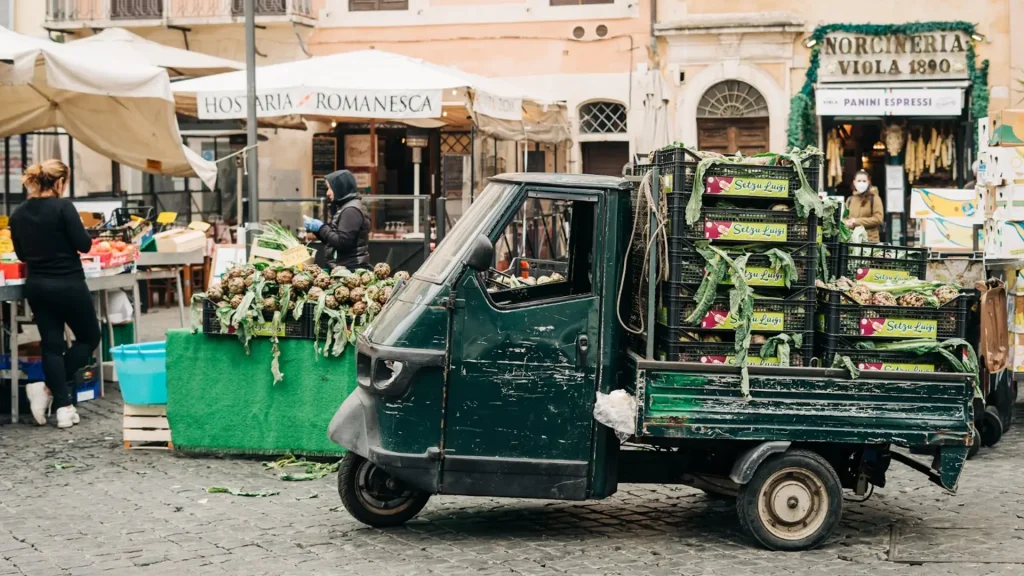
Campo de’ Fiori changes character throughout the day. In the morning, the market offers a vibrant sensory experience, with stalls of fresh fruit, flowers, and spices that reflect Roman tradition. In the evening, the square comes alive with lights, voices, and aromas, as wine bars, cocktail lounges, and trattorias welcome those looking for an authentic Roman night among carbonara and amatriciana.
For a relaxed aperitivo, Bar del Fico is a must. If you prefer a quieter atmosphere, you’ll easily find more intimate spots nearby—ideal for enjoying a glass of local wine.
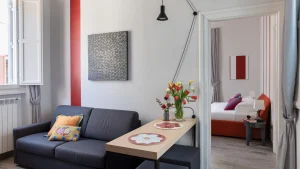
Staying near Campo de’ Fiori means immersing yourself in Rome’s energy without giving up comfort. Just a few steps away, Now Apartments offers elegant and refined accommodations, perfect for exploring the city on foot while always feeling at home. Experiencing Campo de’ Fiori with Now Apartments means connecting with the truest soul of the Eternal City—through history, art, and unforgettable atmospheres.